Cluster for Social and Ecological Innovation (CSEI)
A shared vision of rural development grounded in social inclusion, ecological sustainability, and participatory governance.
Partner Organisation
Municipality of Torres Vedras
Location
Portugal / Oeste / Torres Vedras
Contact
Nicolle Santos
diid@cm-tvedras.pt
About
The Cluster for Social and Ecological Innovation (CSEI) of Torres Vedras is a territorial initiative developed within the PARI – Paths for Rural Innovation project, co-funded by the European Union. It brings together public, civil society, and private actors around a shared vision of rural development grounded in social inclusion, ecological sustainability, and participatory governance.
Building on a structured process of stakeholder mapping, interviews, and participatory engagement sessions conducted between November 2025 and June 2026, Torres Vedras has developed a Local Action Plan for the CSEI, structured around six strategic actions. These address multi-stakeholder governance, sustainable food systems, knowledge and capacity building, culture–ecology integration, financial resilience, and community communication.
The CSEI is innovative in that it integrates the social economy with ecological transition objectives in a rural municipality with strong agricultural identity, while establishing a co-governance model designed to progressively reduce dependence on the Municipality as the singular coordination hub and to anchor long-term change in community ownership.

Local challenge
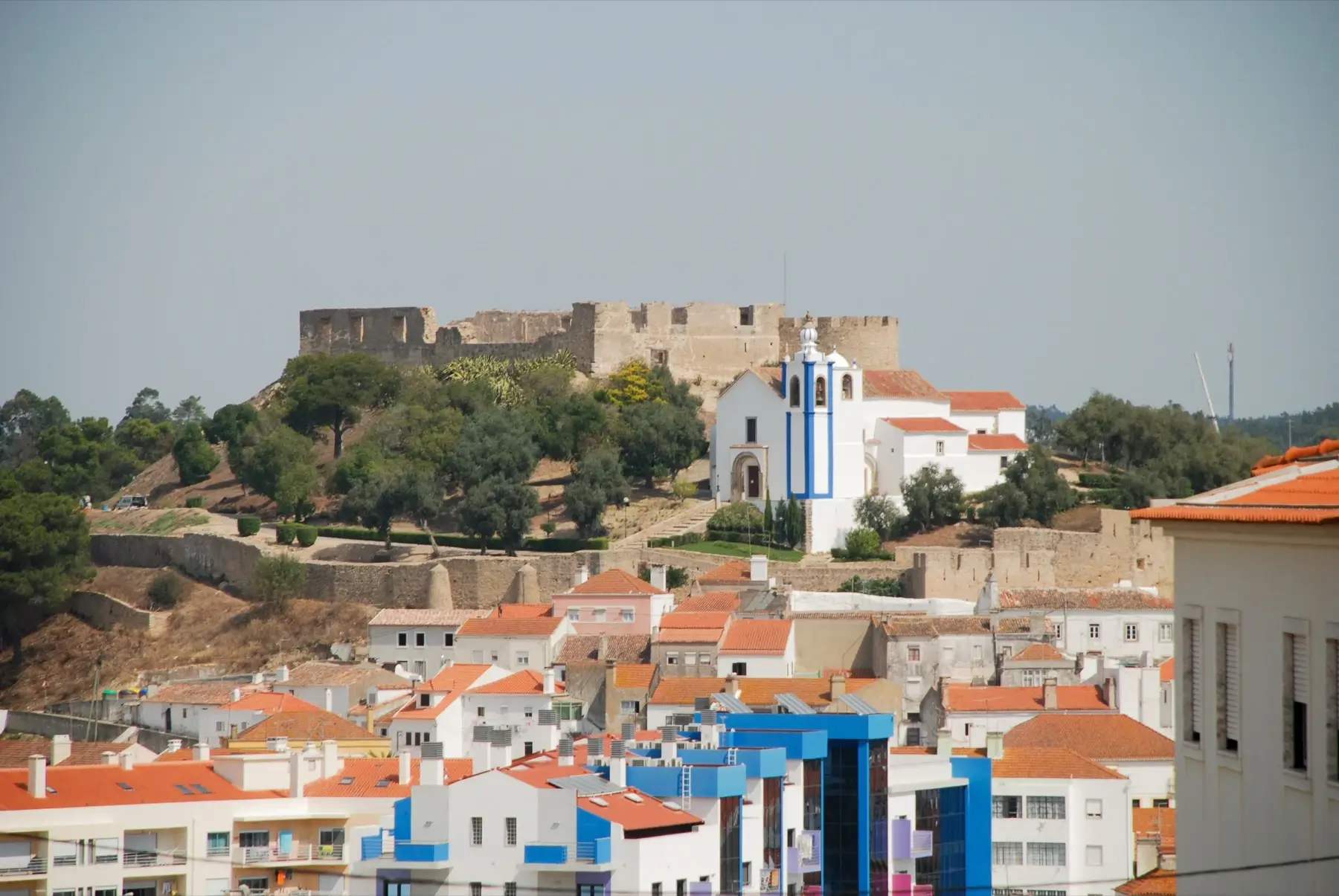
Torres Vedras is a municipality of 89,526 inhabitants in the Oeste Region of Portugal, with a distinctly rural character: agriculture and forestry account for approximately 87.6% of total land use. Despite its proximity to Lisbon, the municipality faces challenges common to rural territories – stakeholder fragmentation, uneven organisational capacity, limited public–private cooperation, and insufficient integration of ecological sustainability into local economic practices.
The PARI diagnostic process identified three structural tensions at the heart of the local ecosystem: an over-reliance on the Municipality as the central coordination node; significant gaps in the representation of rural and farming communities in innovation governance; and weak linkages between social economy actors, agricultural producers, and ecological management initiatives.
At the same time, Torres Vedras benefits from a set of genuine assets — a dense and diverse network of collaborative relationships, a comprehensive municipal strategic programme committed to rural innovation and ecological transition, and a growing ecosystem of social economy actors with sectoral experience in environmental sustainability, cultural development, and community resilience. The CSEI is conceived as the participatory governance architecture to harness these assets and translate them into systemic, lasting change.
Partnership model & governance
The CSEI governance model is designed as a multi-stakeholder co-governance structure, with the Municipality of Torres Vedras and Valor Partilhado Lda. (Oeste Respira) serving as co-leads across all strategic actions. Civil society organisations are positioned as active contributors and co-creators, consistent with their current capacity and the evidence gathered through the participatory process.
The planned governance architecture includes a CSEI Steering Body with cross-sectoral representation (public administration, social economy, private sector, civil society, and rural communities), supported by a dedicated operational secretariat progressively endowed with autonomous capacity. A Citizens’ Observatory is envisaged to provide independent oversight and ensure community accountability.
The governance model draws on lessons from transnational peer exchange within the PARI network which consistently demonstrates that CSEIs without genuine community ownership fail to sustain their social and ecological objectives over time. Accordingly, a priority of the CSEI’s implementation strategy is the progressive transfer of governance functions away from the Municipality towards a distributed, community-owned structure.
Main activities of the cluster
The CSEI’s strategic action plan (pending formal validation by the Municipal Executive) is structured around six pillars, each reflecting a distinct area of systemic change identified through the participatory process:
- Territorial Balance & Rural-Maritime Vitality
- Decarbonized Soft Mobility & Connected Infrastructure
- Active Human Equity & Psychosocial Inclusion
- Affordable, Regenerative & Sustainable Housing
- Circular Economy & Environmental Sustainability
- Decentralized Governance & Data Transparency

Results and Impact
The PARI process in Torres Vedras has produced a coherent set of process outcomes and analytical deliverables that form the foundation for CSEI implementation.
A structured stakeholder survey and semi-structured interviews (November–December 2025) mapped nine organisations operating across the Oeste region’s social and ecological innovation ecosystem, producing a comprehensive institutional profile database, a territorial priority map, a collaboration network topology, and an innovation practice inventory. Four key institutional actors were engaged in depth: AGEO–Geopark Oeste, Smart Farm Colab, Valor Partilhado–Oeste Respira, and the Municipality of Torres Vedras (PSAE).
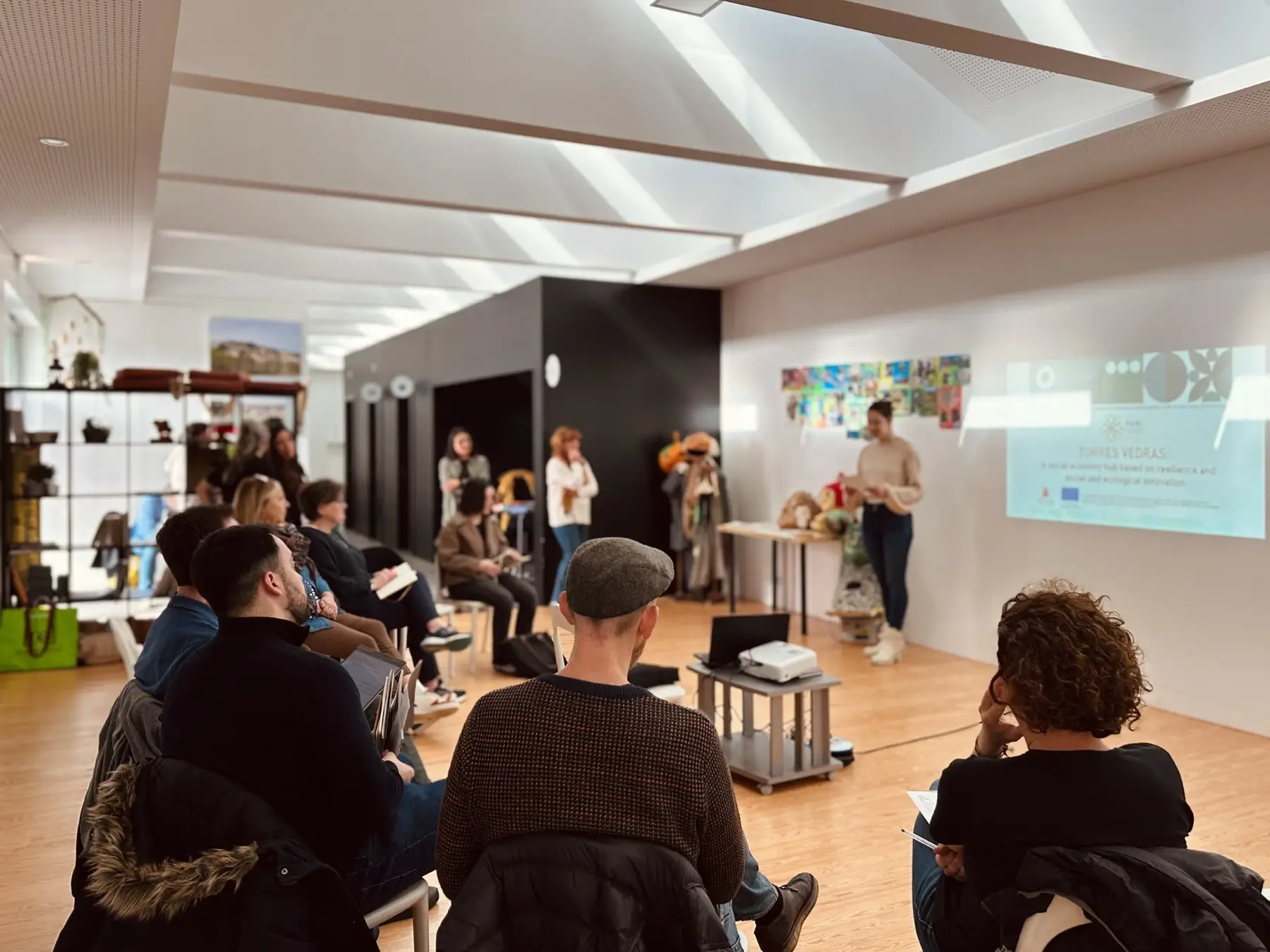
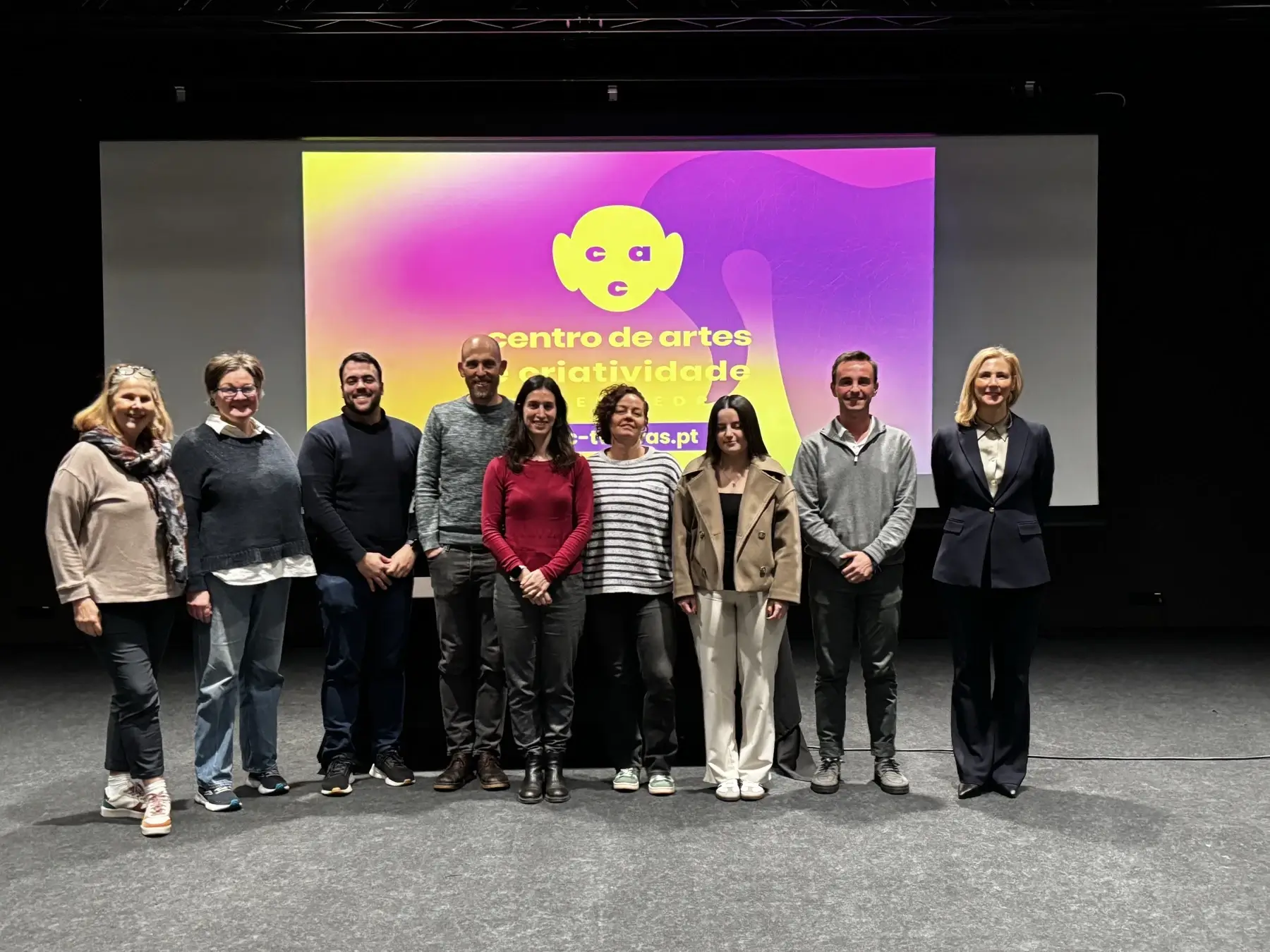
Two participatory engagement sessions were held in May and June 2026, bringing together representatives from local government, civil society, social economy organisations, rural producers, and community associations. These sessions co-produced a shared Theory of Change, a consolidated vision statement for the CSEI, and an initial mapping of actors and relations instrumental to the plan’s implementation architecture.
Transnational learning was pursued through active participation in all PARI thematic missions. The Torres Vedras team attended the Capacity Building Workshop in Brussels (January 2025), which included a field visit to the Ceinture Alimentaire Charleroi Métropole — a benchmark territorial food system initiative that directly informed the design of the CSEI’s food systems strategic action. The team subsequently participated in study visits to Linköping (Östergötland, Sweden) and Pamplona (Navarra, Spain), engaging with peer territories on cooperative governance models, social economy cluster development, and rural innovation strategies. Torres Vedras also hosted a PARI study visit, positioning the municipality as both a learner and a source of replicable good practice within the network.
These process outputs culminated in a Local Action Plan for the CSEI, structured around six strategic actions with defined objectives, governance arrangements, key performance indicators, and an implementation timeline spanning 2026–2030.

Funded by the European Union. The views, information, documentation, figures and opinions expressed in this document are however those of the author(s) only and do not necessarily reflect those of the European Union or EISMEA. Neither the European Union nor the granting authority can be held responsible for them.
PARI – Project ID: 1011698037